By Steve K.
March 19, 2026
Paintless Dent Repair (PDR) has transformed the way minor vehicle damage is addressed, offering a precise and efficient alternative to traditional bodywork. By restoring dents without repainting or fillers, PDR preserves the factory finish, maintains vehicle value, and reduces repair time and costs. This technique combines expert skill with specialized tools, making it a reliable choice for car owners who want fast, high-quality results while minimizing disruption to daily life.
The Basics of Paintless Dent Repair (PDR)
Understanding the PDR Technique
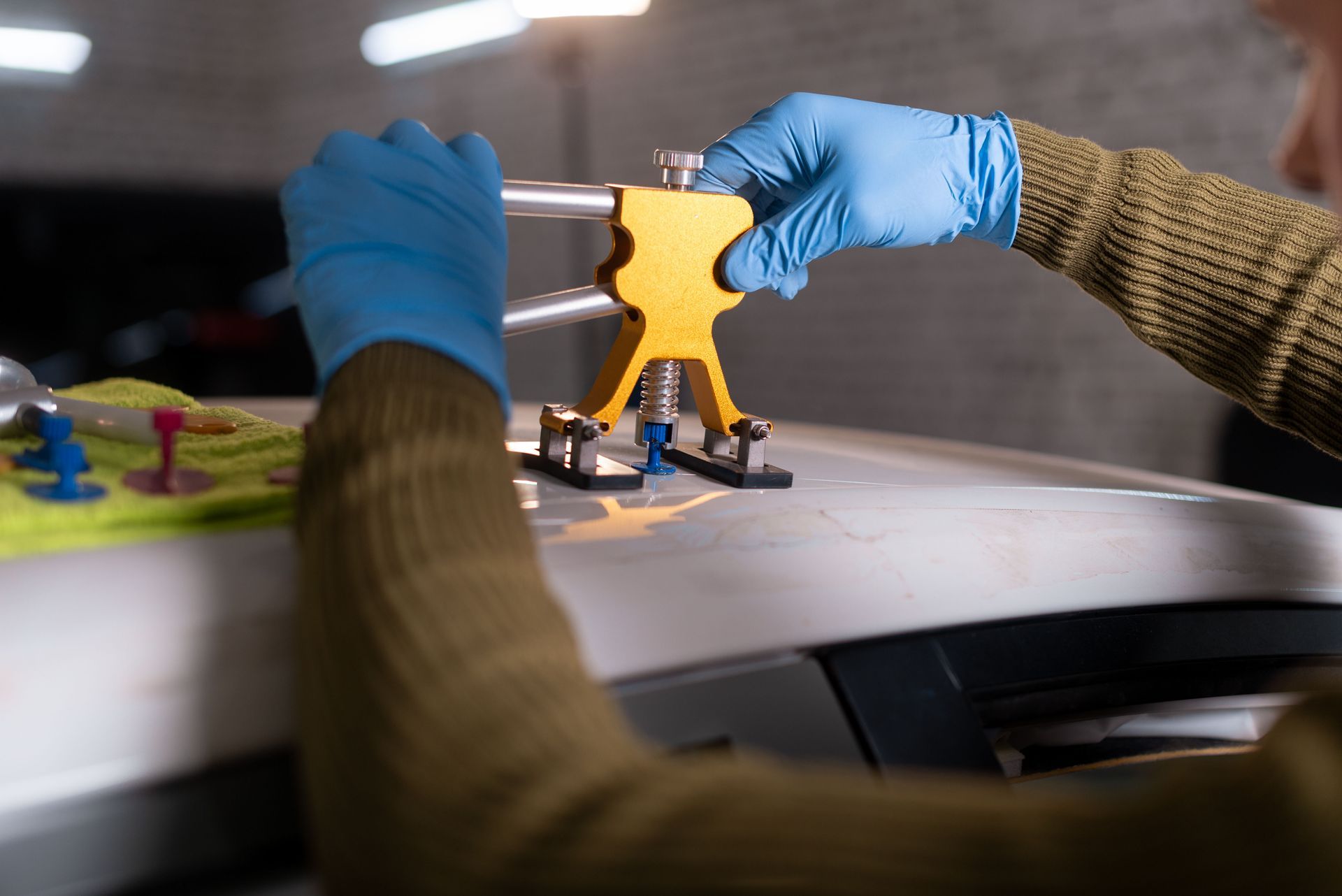
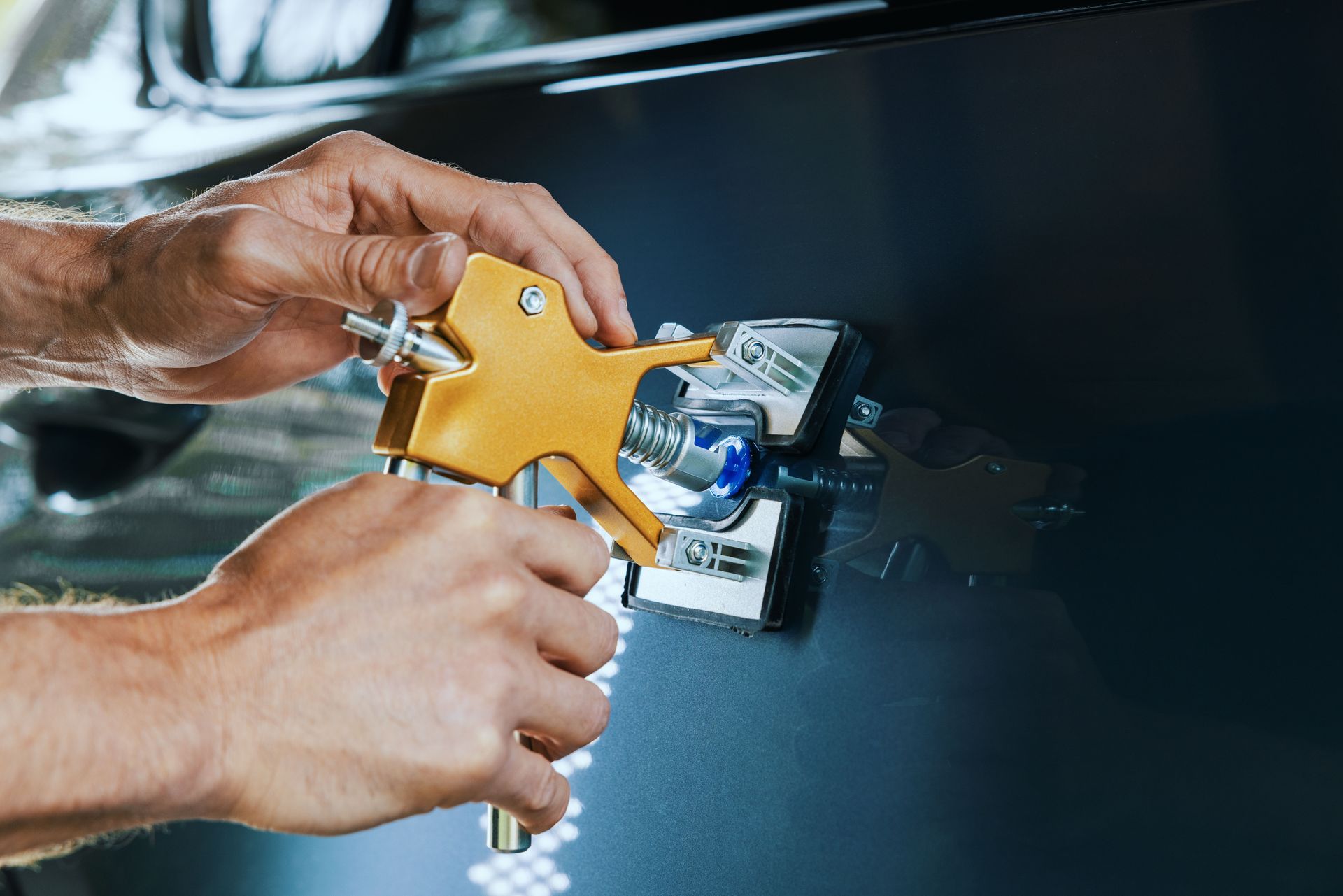
Paintless Dent Repair (PDR) is an innovative technique that restores a vehicle's body to its original shape without the need for repainting or fillers. It involves skillfully pushing or pulling the dent from the inside of the panel, preserving the factory finish. This method is effective because it maintains structural integrity and prevents mismatches in paint color and texture. Performed by trained technicians using specialized tools, it ensures that the vehicle's value and aesthetics remain uncompromised. The beauty of PDR is in its simplicity, yet it requires significant expertise to master.
Types of Dents Suited for PDR
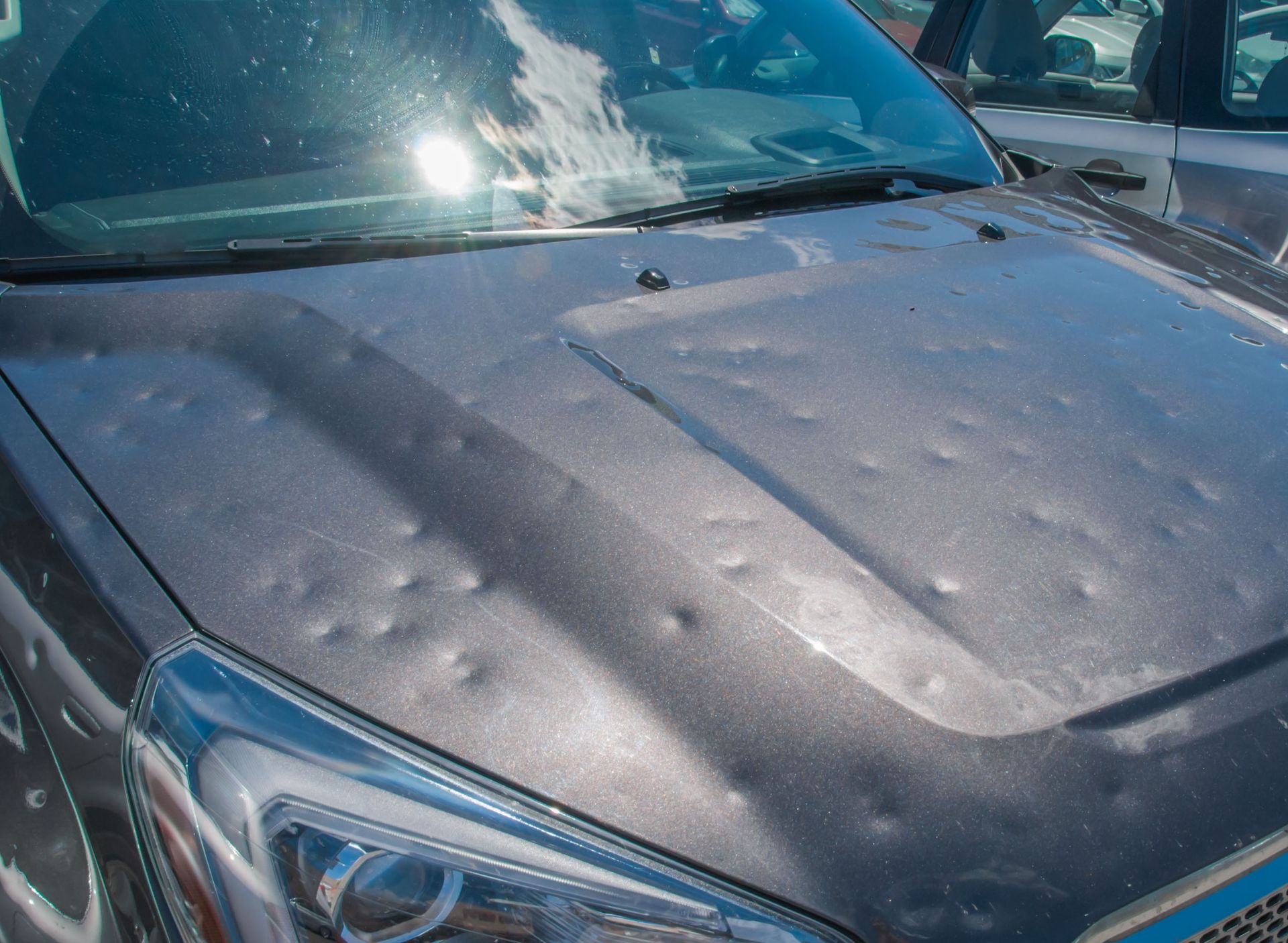
PDR is particularly effective for certain types of dents. Small to medium-sized dings, hail damage, and minor creases are examples of repairs often suited for PDR. The technique works best on dents where the paint surface is unbroken and is free from extensive cracking or chipping. According to CapitalOne, 80% to 90% of vehicle dents can be fixed with paintless dent repair, making it a versatile solution for automotive imperfections. However, severe damage or sharp dents over body lines might require alternative repair methods.
Time Efficiency in Paintless Dent Repair
Quick Turnaround Times
One of PDR's major advantages is its time efficiency, offering speedy repairs that can often be completed within hours. Because there’s no need for paint matching or drying times associated with traditional repairs, the process is significantly streamlined. This means that vehicle owners can often have their cars back the same day, minimizing inconvenience. Quick turnaround times are especially beneficial for businesses reliant on vehicles, reducing downtime and maintaining fleet productivity. For the average consumer, it means getting back to daily routines with minimal disruption.
Comparison with Traditional Repair Methods
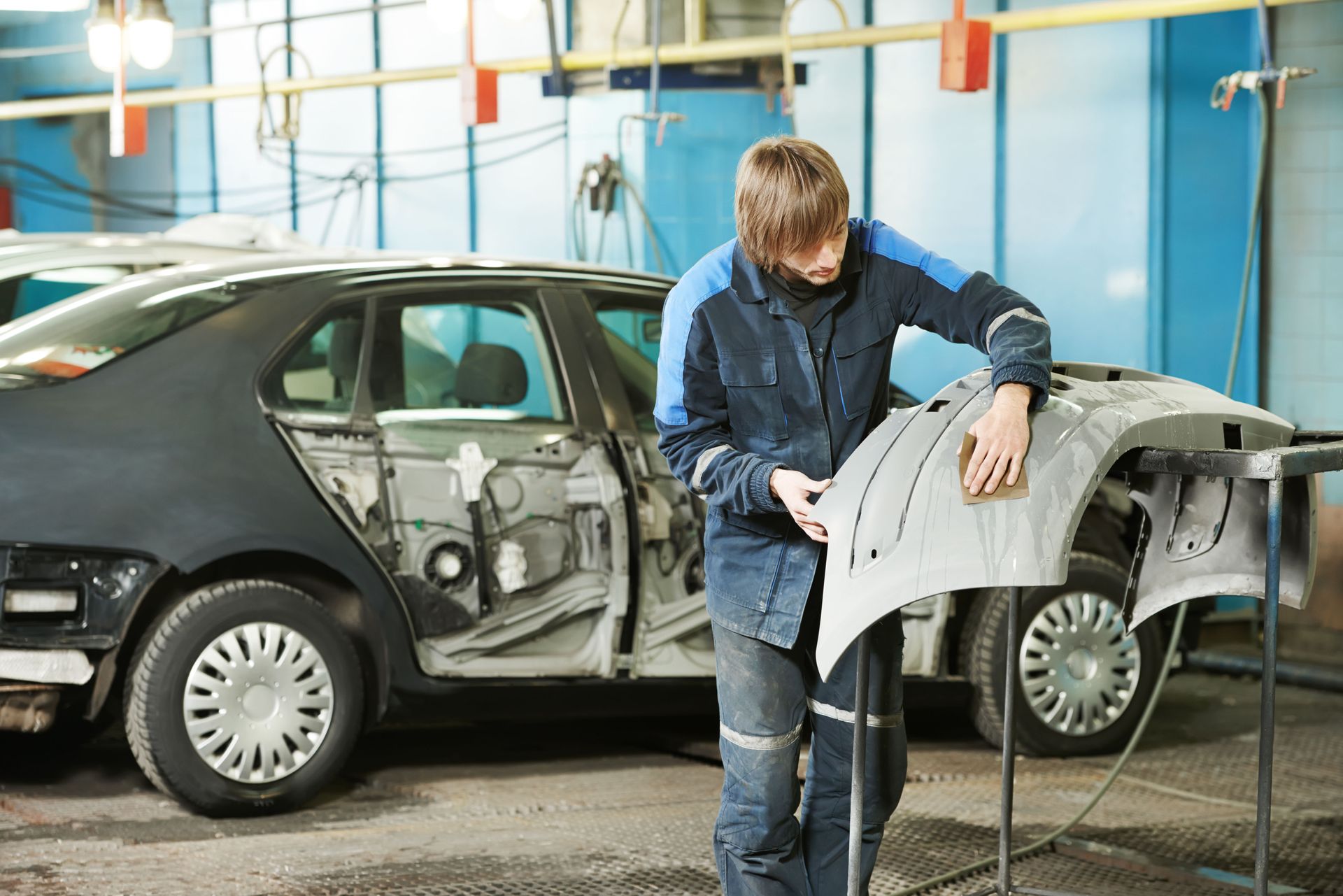
Traditional dent repair methods typically involve several lengthy steps: sanding, applying filler, painting, and curing. These stages often require a vehicle to remain in the workshop for days, and any variation in color matching can further extend the timeline. In contrast, PDR bypasses these labor-intensive processes entirely, focusing instead on restoring the existing metal structure. This precision approach not only slashes repair time but also streamlines the overall process, making it an attractive alternative for many car owners. Ultimately, this contributes to greater efficiency and higher customer satisfaction.
Less Interruption to Daily Life
The time saved with PDR translates to less disruption in daily life. For those relying on their vehicles for personal or professional use, the impact of traditional repairs can be significant. With PDR, the rapid repair time allows individuals to maintain their schedules with little to no downtime. The convenience offered by this efficiency enhances customer experience and positions PDR as a preferred method for minor dents. Vehicle owners appreciate the ability to uphold their routines without significant delays or inconvenience.
Cost Benefits of Paintless Dent Repair
Lower Labor Costs
Labor costs constitute a significant portion of traditional vehicle repair bills. PDR minimizes these expenses by reducing the time and workforce required, as it eliminates the need for tasks like sanding and repainting. Fewer hours spent on each repair ultimately mean lower charges passed on to the customer. For technicians, the streamlined process allows more repairs in a day, optimizing labor efficiency and increasing profit margins. The cost reduction achieved with PDR makes it an economically appealing option for both service providers and consumers alike.
Material Savings
PDR offers substantial material savings by doing away with the need for paints, primers, and fillers. Traditional repair methods often involve purchasing and applying these materials, contributing significantly to the total repair cost. By maintaining the original paint, PDR reduces these expenditures, resulting in lower overall costs for the consumer. This method is beneficial to both customers, interested in budget-friendly solutions, and service providers aiming to minimize expenses. Consequently, PDR aligns financial incentives for both parties involved.
Insurance Implications
PDR's cost-effectiveness extends to its impact on insurance claims. Lower repair costs can result in reduced insurance payouts, making it an attractive option for insurance companies. Additionally, because PDR maintains the factory finish—often translating to quicker and smaller claims—it can help prevent increases in insurance premiums for vehicle owners. Insurers may even have preferred arrangements with PDR providers to streamline claims processes. As more insurance companies recognize the value of PDR, customers might see benefits in the form of lower deductibles or waived fees.
Preserving Your Factory Finish
Benefits of Maintaining Original Paint
Preserving the original factory paint offers numerous advantages for vehicle aesthetics and value. Original paint ensures a consistent finish unmatched by aftermarket paints, maintaining uniformity in color and gloss. This not only keeps the car looking newer for longer but also eliminates the risk of color mismatches. Buyers typically prefer cars with original paint, associating them with better maintenance standards, which positively influences resale value. Additionally, avoiding the complexities of repainting, such as paint runs or uneven texture, confirms consistency in appearance.
Impact on Vehicle Value
The condition of a vehicle's paint carries significant weight in determining its market value. Cars in superior aesthetic condition generally fetch higher prices on resale or trade-in. PDR preserves factory paint, contributing to a clean vehicle history report that potential buyers will find appealing. This advantage not only aids personal asset management but also increases negotiation power during sales. Maintaining original paint through PDR can be an effortless way to secure enhanced financial returns when it's time to sell or trade in your car.
Superior Aesthetic Results
Compared to traditional repairs, PDR offers superior aesthetic results that enhance vehicle appearance without a visible trace of prior dents. Traditional methods can sometimes lead to slight discrepancies in paint thickness or tone, which might not blend seamlessly with the original body. PDR entirely avoids repainting, maintaining a flawless, factory-fresh finish. This approach results in vehicle surfaces that look untouched, preserving showroom quality. Detailing experts and car enthusiasts alike appreciate this precision, making PDR a preferred choice for comprehensive aesthetic maintenance.
Environmental and Health Benefits of PDR
Reduction in Chemical Use
PDR employs techniques that minimize the use of harmful chemicals, which are prevalent in traditional automotive repairs. Eliminating the need for primers, paints, and fillers significantly reduces exposure to volatile organic compounds (VOCs), benefiting both the environment and workplace safety. By circumventing these substances, PDR not only decreases hazardous emissions but also contributes positively to technician health. In an industry striving to reduce its ecological footprint, PDR stands out as a favorable advancement. Its low chemical dependency makes it a preferred choice for eco-conscious vehicle owners and businesses.
Decreased Air Pollution
Air pollution is a critical concern in the automotive repair industry, with traditional methods releasing various pollutants during the repair process. By eliminating the painting and drying phases, PDR minimizes the emission of hazardous substances into the atmosphere. The reduction in chemical application lowers smog-forming emissions, promoting cleaner air quality. This environmental benefit aligns with global efforts to decrease industrial carbon footprints and enhance air purity. As more consumers and businesses prioritize sustainability, PDR's pollution-free method becomes a compelling solution.
Paintless Dent Repair delivers a unique combination of efficiency, cost savings, and superior aesthetics. By maintaining the original paint, reducing labor and material expenses, and minimizing environmental impact, PDR stands out as a modern solution for minor dents and dings. For vehicle owners seeking a quick, professional, and environmentally conscious repair option, PDR offers lasting results that protect both the car’s appearance and value. Restore your car’s dents quickly and professionally by contacting The Dent Doctor today!