By Steve K.
April 7, 2026
Hailstorms can move through an area quickly, but the damage they leave behind can last much longer. Vehicles are especially vulnerable because they’re often parked outside when severe weather hits. What begins as a sudden storm can cause dents on a car's hood, roof, doors, and trunk. In some cases, the damage may appear minor at first, yet it can affect both the vehicle's appearance and value.
When this happens, many drivers aren’t sure what steps to take next. Understanding how auto damage repair works after a hailstorm can make the process less overwhelming. From assessing the damage to choosing a repair method, a little preparation goes a long way in protecting your vehicle.
Understanding How Hailstorms Damage Vehicles
Hailstorms form when strong updrafts in a thunderstorm carry raindrops high into extremely cold areas of the atmosphere. These droplets freeze and grow as they collect layers of ice before eventually falling to the ground. When these ice pellets drop from high altitudes, they can hit vehicles with surprising force.
According to Kelley Blue Book, hailstones measuring more than two inches across may reach speeds of around 70 miles per hour as they fall. With that kind of impact, even modern vehicle panels can end up with noticeable dents. The hood and roof usually take the brunt of the damage because they face upward, but side panels and trim can also be affected depending on wind direction.
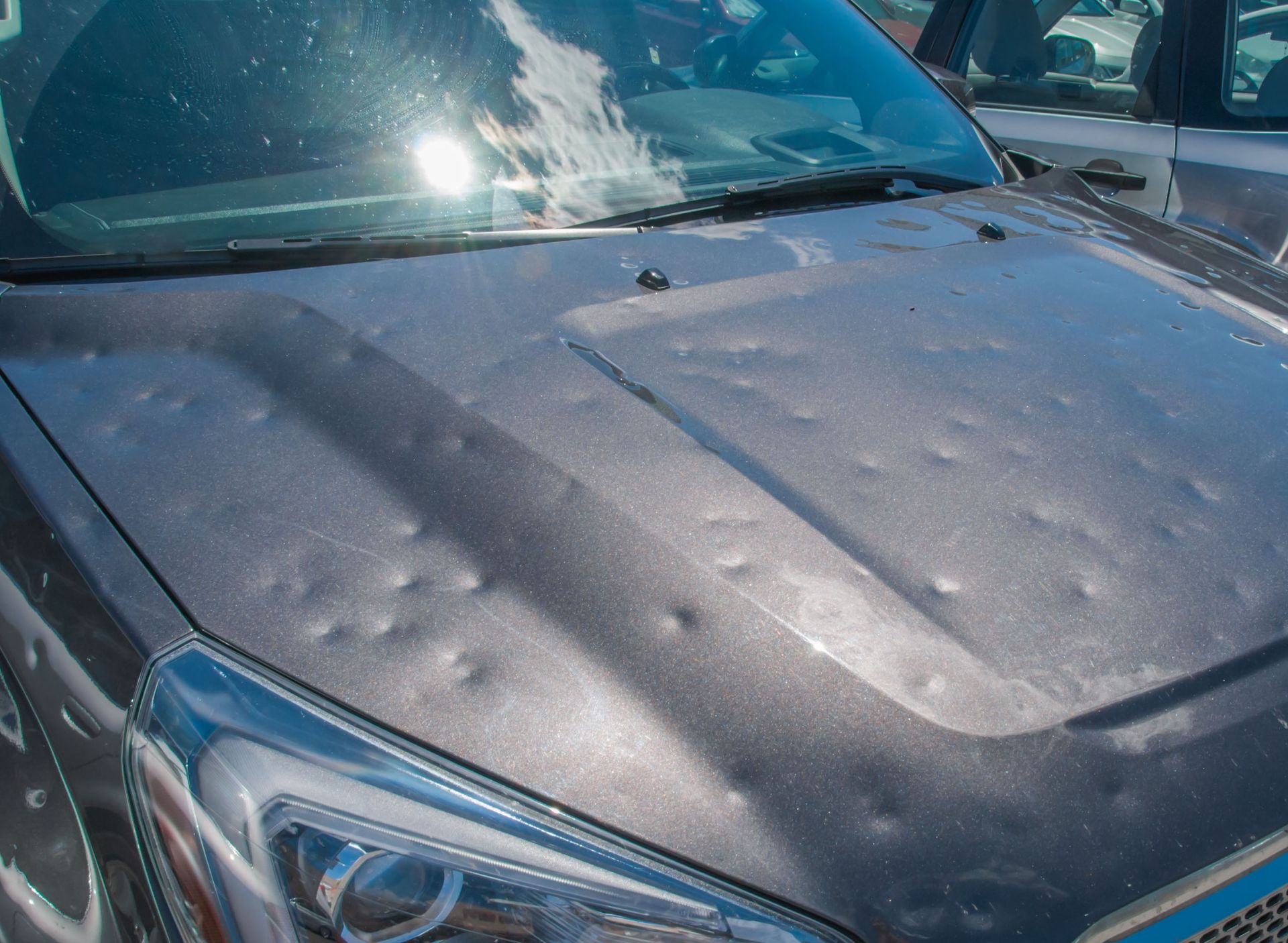
For drivers, the result often looks like a series of small dimples scattered across the body of the car. While these dents may appear cosmetic, leaving them untreated can allow moisture and debris to collect in damaged areas. That’s why many vehicle owners explore auto damage repair options soon after a storm passes.
Inspecting Your Vehicle After a Hailstorm
Once the weather clears, it’s a good idea to carefully examine your vehicle for signs of damage. Start by checking the roof, hood, and trunk lid since these surfaces are usually the most exposed during a hailstorm. Look for small depressions, chipped paint, or cracked trim pieces. Sometimes the dents are subtle and easier to see when the light hits the panel at an angle.
Walking around the vehicle slowly can help you notice damage that might otherwise be overlooked. Pay attention to areas near windows, mirrors, and door edges where hail can strike at different angles. If you notice clusters of dents or irregular reflections on the paint, that’s often a clear sign of hail impact.
Taking photos can also be helpful, especially if you plan to contact your insurance provider. Clear images of the damage can document the condition of the vehicle shortly after the storm. Once you have a good sense of what happened, you can start thinking about the next step, scheduling auto damage repair.
Considering Repair Methods for Hail Damage
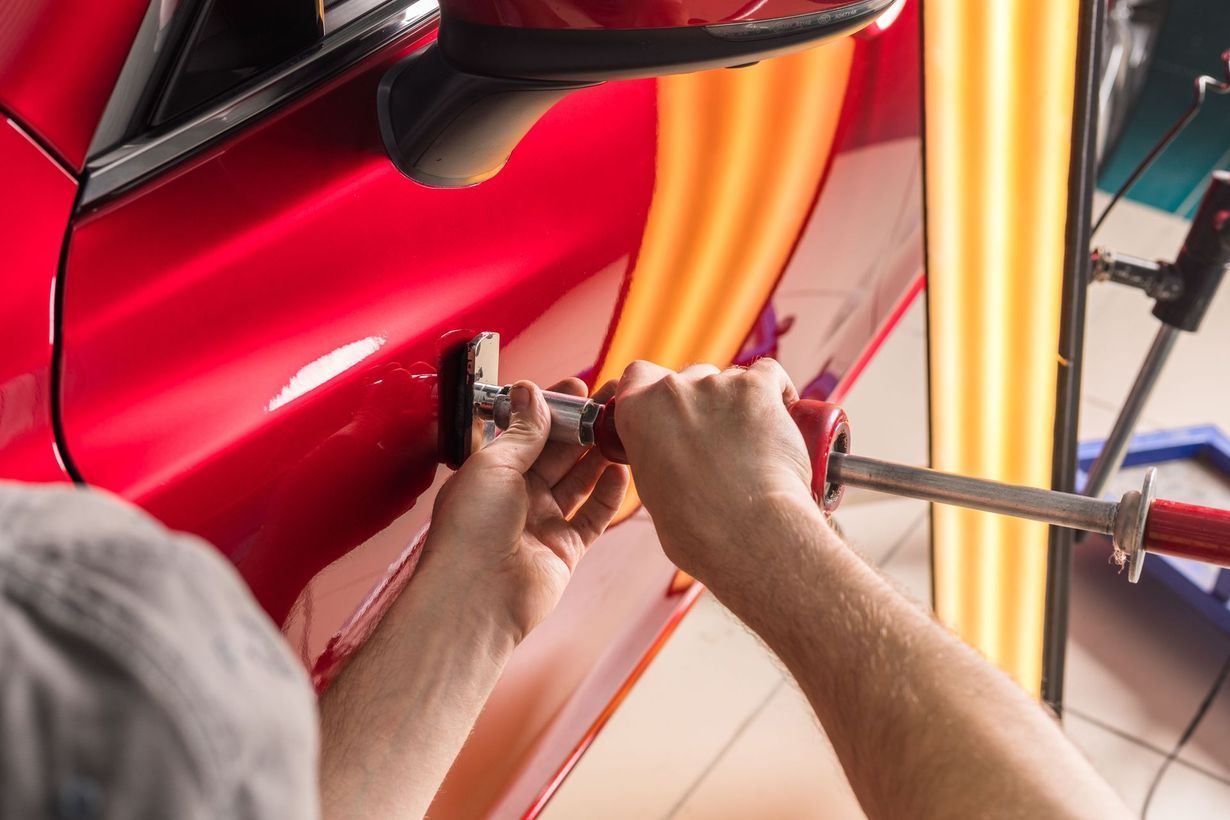
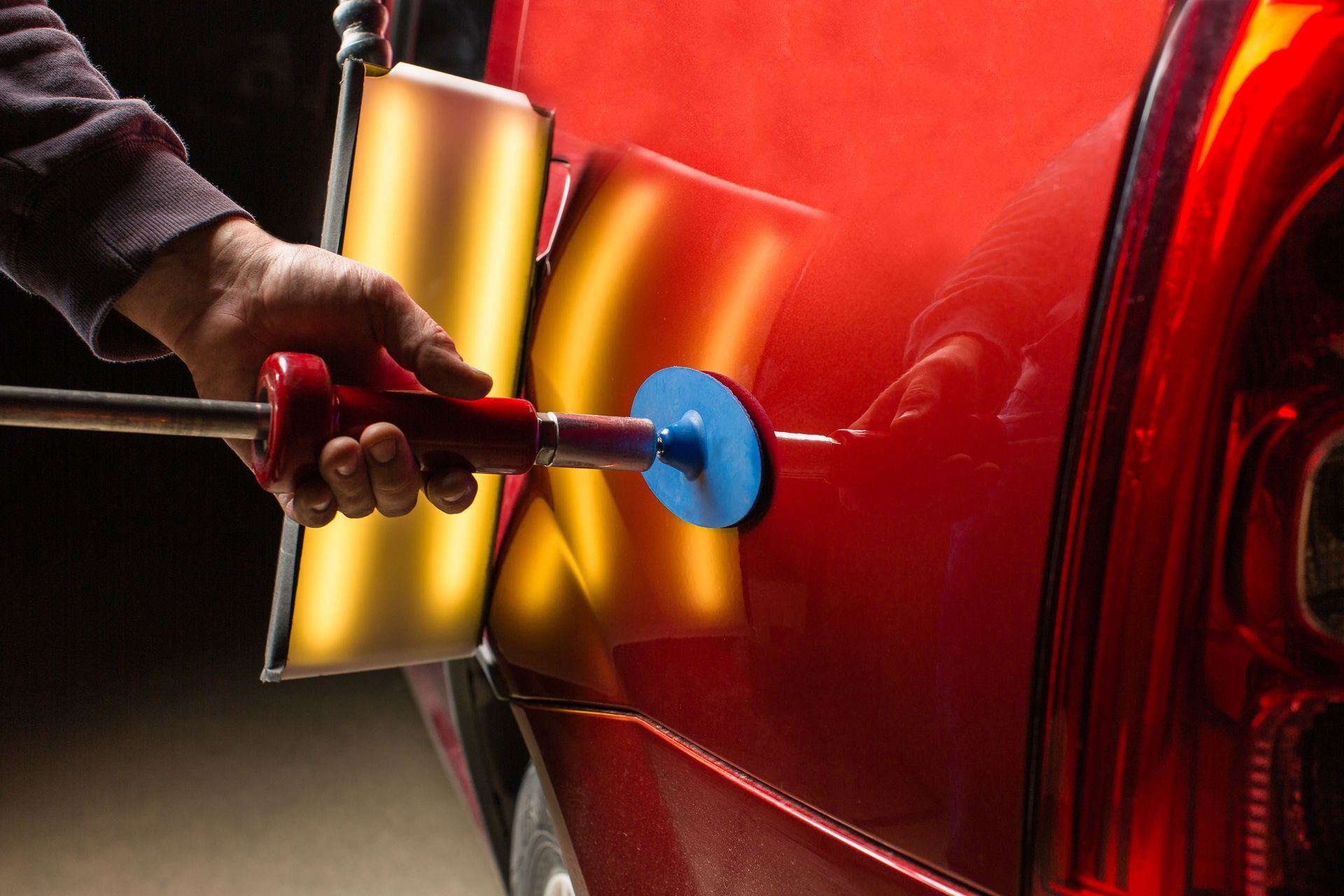
Not all hail damage requires the same approach. The right repair method depends on the size, depth, and location of the dents. In many cases, technicians use paintless dent repair, a technique that reshapes the metal from behind the panel without disturbing the original paint finish.
This process involves carefully massaging the metal back into its original form using specialized tools. Because it doesn’t require sanding, filling, or repainting, the vehicle’s factory finish stays intact. Many drivers appreciate this method because it restores the body panel while preserving the original look of the car.
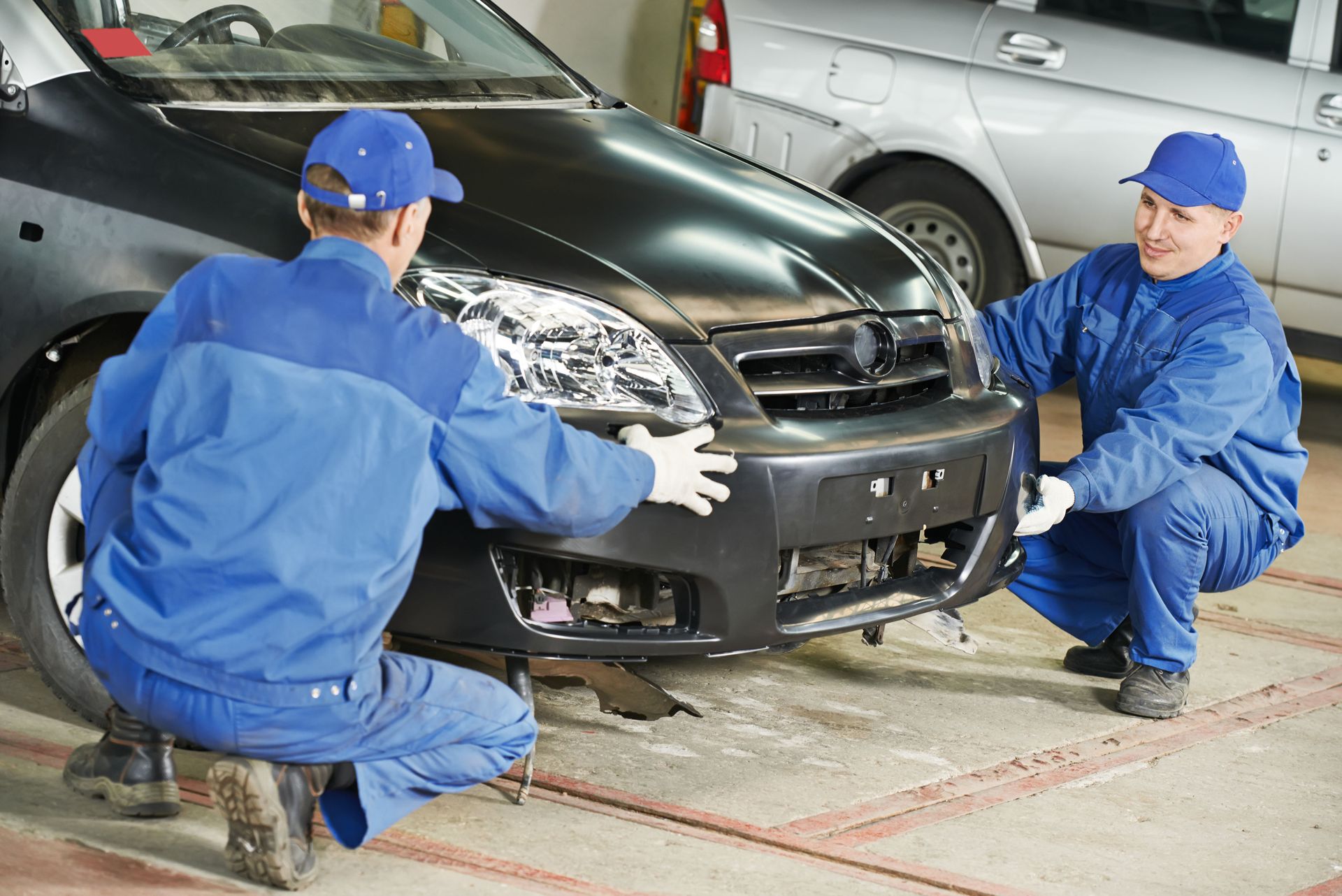
For more severe dents, traditional repair methods may be necessary. These repairs can involve smoothing the damaged area, applying filler material, and repainting the affected section. Regardless of the method used, professional auto damage repair helps return the vehicle’s appearance and structural integrity after a storm.
Navigating Insurance and Claims After Hailstorms
Hail damage is often covered under comprehensive auto insurance policies. If your vehicle was caught in a storm, your first step may be contacting your insurance company to report the incident. They may ask for photos, a description of the damage, or an inspection from an adjuster before approving repairs.
It’s common for insurers to evaluate the extent of the dents and determine whether repairs are necessary. In many situations, the adjuster will provide an estimate that outlines the cost of fixing the damage. Once that step is complete, you can move forward with scheduling repairs through a qualified technician.
Working with a repair provider that understands the insurance process can make things easier. They can often coordinate with adjusters, review estimates, and help ensure the work aligns with the approved claim. This collaboration allows vehicle owners to focus on getting their car back on the road rather than managing every detail of the paperwork.
Protecting Your Vehicle During Future Storms
While hailstorms can be unpredictable, there are a few ways drivers can reduce the risk of damage. Whenever possible, parking in a garage or covered structure offers the most reliable protection. Even a simple carport can help shield a vehicle from direct impact during a storm.
When covered parking isn’t available, paying attention to weather alerts can make a difference. If severe weather is forecasted, moving the vehicle closer to a building or under a temporary shelter may help reduce exposure. Some drivers also keep protective car covers designed to absorb light hail impacts. Of course, not every storm can be avoided. When hail does strike, knowing how to respond and where to turn for auto damage repair can help you handle the situation more confidently.
Restoring Your Vehicle After Hail Damage
Seeing dents scattered across your vehicle after a storm can be frustrating, but the damage is often repairable. Skilled technicians use specialized techniques to restore body panels and return vehicles to a clean, smooth appearance. With the right approach, many hail dents can be corrected without affecting the original finish of the paint.
Prompt repairs also help maintain the overall value of the vehicle. Even small dents can become more noticeable over time, especially when sunlight reflects off uneven panels. Addressing the issue early helps keep your car looking well cared for and prevents minor cosmetic issues from lingering. If your vehicle has recently been caught in severe weather, it may be time to consider professional auto damage repair. A careful inspection and the right repair method can make a noticeable difference in how your car looks and performs after a hailstorm.
Scheduling Professional Auto Damage Repair
Hailstorms can leave behind more damage than many drivers expect, especially when vehicles are exposed during severe weather. What may appear to be a few small dents can affect the overall look and long-term condition of a car if it isn’t addressed. Taking time to inspect your vehicle, document the damage, and explore repair options can make the recovery process much smoother. With the right approach, many hail-related dents can be corrected without major disruption to your daily routine.
After a hailstorm passes, the condition of your vehicle shouldn’t be left to chance. Professional technicians can evaluate the dents, recommend the most effective repair method, and restore the appearance of your vehicle. Acting sooner rather than later often makes the process smoother and helps prevent minor damage from becoming a long-term concern. If your car has experienced hail damage, consider reaching out to The Dent Doctor for reliable auto damage repair. Our team can examine the condition of your vehicle and guide you through the next steps so you can get back on the road with confidence.