By Steve K.
May 26, 2026
Vehicle dents can happen in an instant, often when drivers least expect them. A shopping cart in a parking lot, a sudden hailstorm, or even a car door opening too quickly can leave visible marks on an otherwise well-maintained vehicle. While these dents may seem minor, they can affect how a vehicle looks and how it is perceived over time. Even small imperfections can stand out under certain lighting conditions, drawing attention away from an otherwise clean and polished exterior. Over time, these minor blemishes can accumulate and make the vehicle appear older than it actually is. For many drivers, paintless dent removal provides a professional way to restore the appearance of their vehicle without unnecessary complications.
This repair method focuses on carefully reshaping the metal from behind the panel while preserving the original paint. According to CapitalOne, 80% to 90% of vehicle dents can be repaired using paintless dent repair. This makes it a widely applicable solution for many common types of damage. Because it works with the existing structure of the panel, it allows technicians to correct dents while maintaining the integrity of the vehicle’s finish. Understanding the benefits of this method can help drivers make more informed decisions about maintaining their vehicles. When handled by experienced professionals, this approach can deliver consistent, high-quality results across a wide range of dent types. It also supports a more streamlined repair experience for drivers who want effective results without unnecessary delays. Here are seven reasons it continues to stand out as a reliable option.
1. Preserving the Original Paint Finish
One of the most important benefits of paintless dent removal is that it allows the original factory paint to remain intact. A vehicle’s paint is applied under controlled conditions during manufacturing, making it more durable and consistent than most refinishing processes. Preserving that original finish helps maintain the overall quality and appearance of the vehicle.
Traditional dent repair often involves sanding, applying filler, and repainting the affected area. While that approach is necessary in certain situations, it can introduce slight variations in color or texture. Even small differences can become noticeable over time, especially under certain lighting conditions.
By avoiding repainting when the paint surface is still intact, this method helps ensure that the vehicle maintains a uniform appearance. This consistency is valuable not only for aesthetics but also for maintaining long-term condition and appeal.
2. Restoring the Vehicle’s Appearance
Dents can interrupt the smooth lines of a vehicle and create visual distractions. Even small imperfections can stand out when light reflects across the surface. Paintless dent removal works to restore the original contour of the panel so that the surface appears smooth and consistent once again.
This type of repair is especially effective for damage caused by everyday situations such as door dings, hail, and minor impacts. While these dents may not affect how the vehicle operates, they can impact how it looks and feels to own.
Restoring the exterior can improve overall appearance and help the vehicle look better maintained. A smooth, undamaged surface contributes to a more polished and refined look that many drivers appreciate.
3. Reducing Repair Time
Convenience is a major factor when it comes to vehicle repairs. Many drivers rely on their vehicles daily, so extended repair times can be disruptive. Paintless dent removal can often be completed more efficiently than traditional methods because it does not require painting or curing.
The process focuses on reshaping the metal rather than rebuilding the surface with additional materials. This allows technicians to work more directly on the damaged area, reducing the number of steps involved when the dent qualifies for this type of repair.
While repair time can vary depending on the extent of the damage, this method can often minimize downtime. That efficiency allows drivers to get back on the road sooner while still achieving professional results.
4. Supporting Vehicle Value
The condition of a vehicle’s exterior can influence its resale or trade-in value. Dents can make a vehicle appear less maintained, even if it is in excellent mechanical condition. Paintless dent removal can help support value by improving the appearance without altering the original finish.
This is particularly important for newer vehicles and those with high-quality paint. Maintaining a clean, consistent exterior can create a stronger impression during inspections or evaluations. A smooth, undamaged surface often signals that the vehicle has been cared for properly, which can make a meaningful difference when it is time to sell or trade.
Addressing dents early can also prevent them from becoming more noticeable over time. A well-maintained exterior helps reflect overall care, which can contribute to a more positive perception of the vehicle. In competitive resale markets, even small cosmetic improvements can help a vehicle stand out and attract more interest from potential buyers.
5. Avoiding Unnecessary Body Filler
Many traditional repair methods rely on body filler to smooth out damaged areas before repainting. While effective when needed, this approach may not always be necessary. Paintless dent removal provides an alternative by restoring the metal rather than covering the damage.
This process involves carefully working the panel back into its original shape. Because it does not rely on added materials, the repair can look more natural when completed properly.
Maintaining the original structure of the panel helps preserve the integrity of the vehicle. It also reduces the need for layered materials that may age differently from the surrounding surface over time.
6. Repairing Common Dent Damage
Many types of minor damage are suitable for paintless dent removal. Common examples include hail dents, door dings, and shallow dents caused by low-impact contact. These types of damage often leave the paint intact, making them good candidates for this repair method.
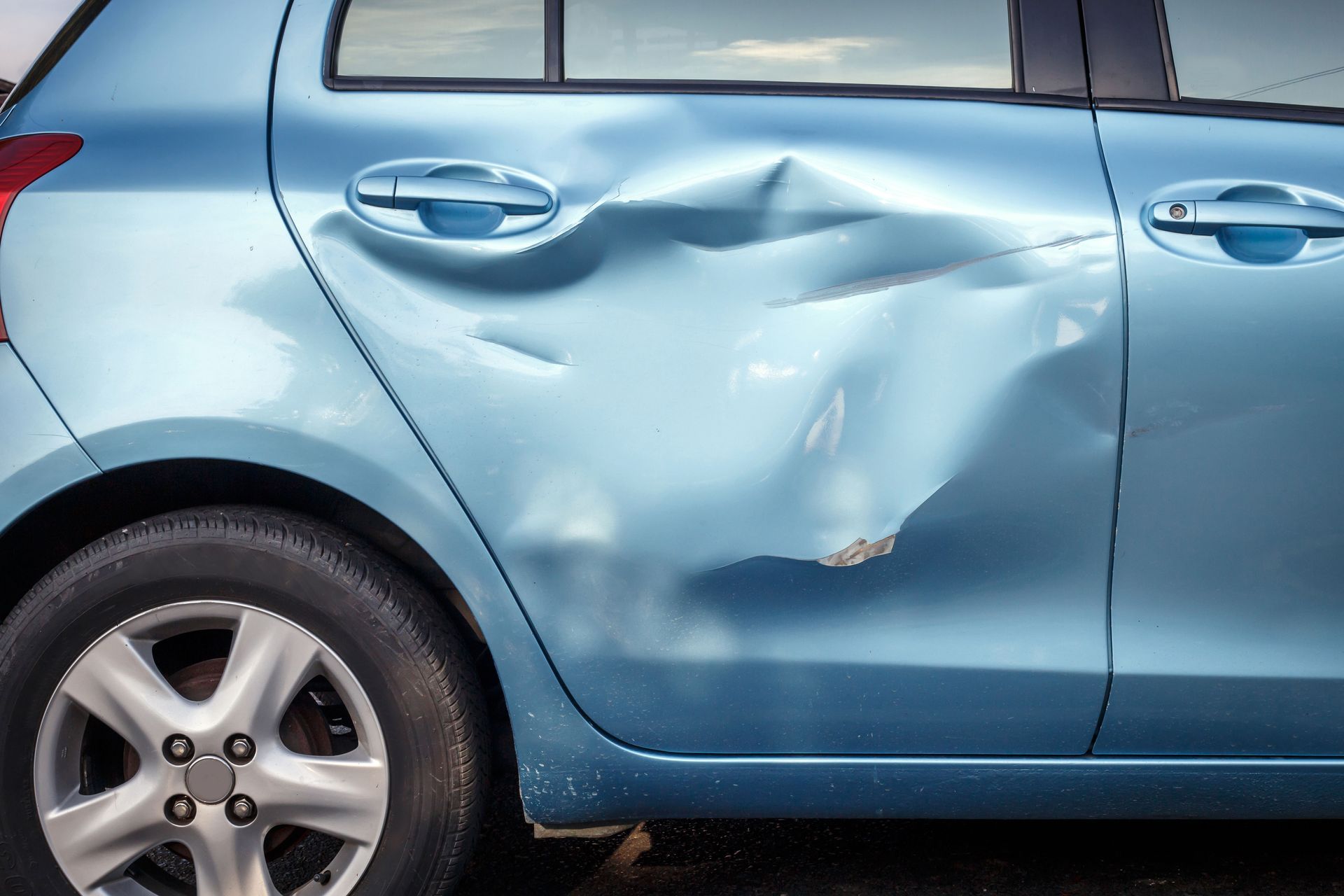
Several factors determine whether a dent qualifies, including its depth, location, and the condition of the paint. Dents with sharp creases or broken paint may require a different approach.
A proper evaluation ensures that the chosen repair method aligns with the condition of the vehicle. This helps provide reliable results and ensures that the repair meets professional standards.
7. Choosing a Professional Repair Team
The success of this repair method depends on the experience and precision of the technician performing the work. Each dent presents unique challenges based on the material, panel shape, and location of the damage.
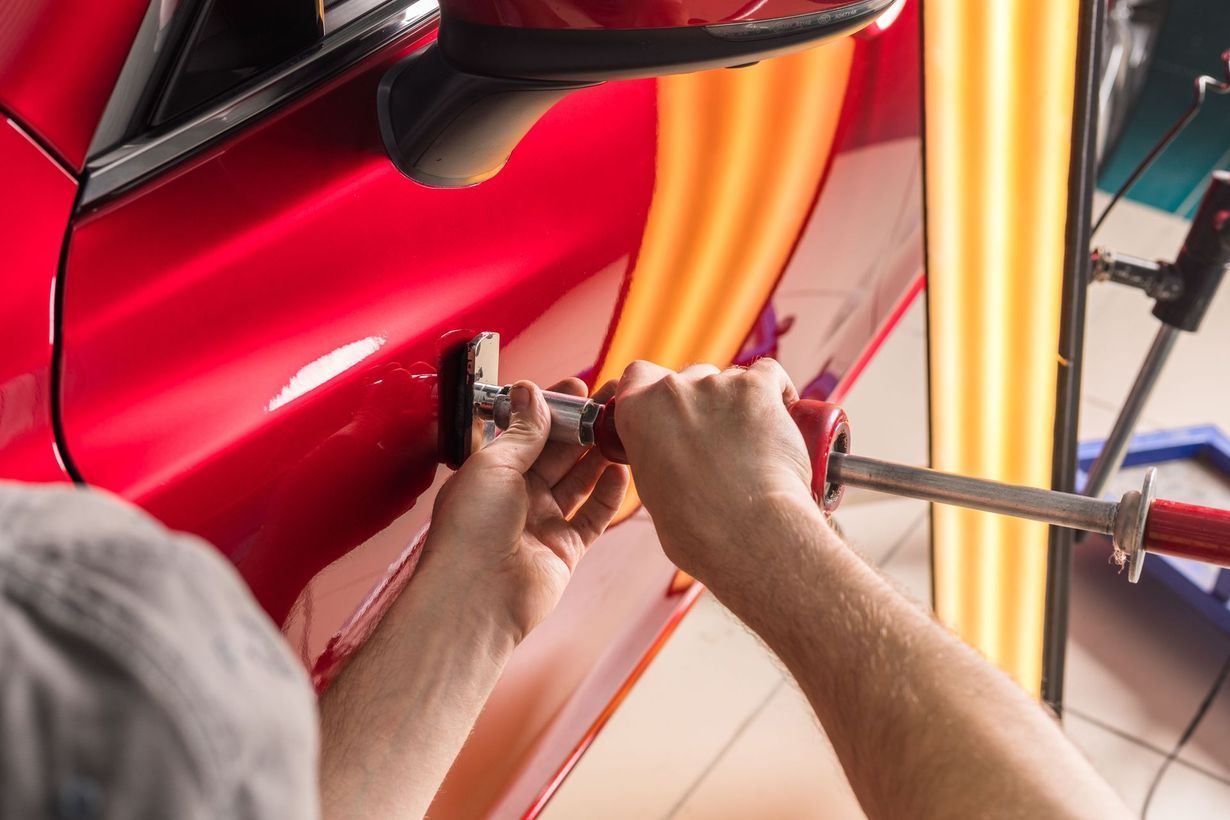
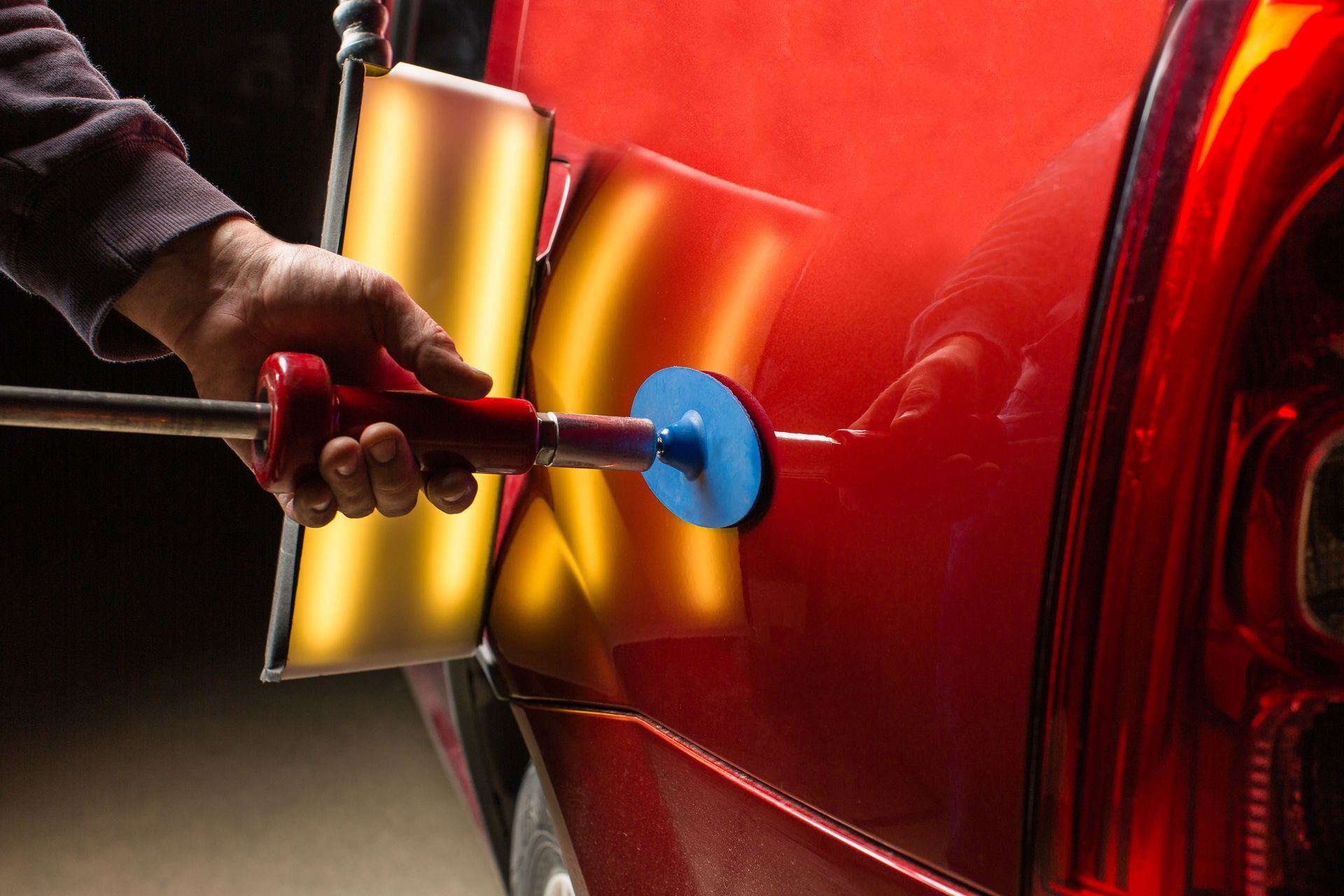
Professionals use specialized tools to apply controlled pressure and gradually restore the panel. This process requires patience and attention to detail to ensure a smooth and consistent finish.
Selecting a qualified team helps ensure that the repair is completed properly. Experienced technicians understand how to evaluate each dent and determine the most effective approach for achieving the desired results.
In addition to technical skill, professional service also provides peace of mind. Knowing that the repair is being handled carefully allows drivers to feel confident in the outcome. This level of care is especially important for vehicles that owners want to maintain in excellent condition over time.
Minor dents do not have to take away from the appearance or value of a vehicle. When the damage qualifies, this method offers an efficient and effective way to restore the exterior. It supports long-term vehicle condition while helping maintain a clean and polished look.
If you are ready to restore your vehicle’s appearance and address dents with professional care, contact The Dent Doctor today to schedule an inspection and learn if paintless dent removal is the right solution for your vehicle.