Paintless dent removal (PDR) has become a go-to solution for vehicle owners looking to restore minor dents and dings without compromising their car’s original finish. By utilizing specialized tools and careful metal manipulation, PDR can effectively repair damage caused by hail, door dings, and other minor impacts while preserving the factory paint. Its precision, cost-effectiveness, and efficiency make it an appealing alternative to traditional bodywork, allowing owners to maintain both the appearance and value of their vehicles. Understanding how PDR works and its ideal applications is key to determining whether it is the right solution for a given repair.
What is Paintless Dent Removal and How Does It Work?
Understanding the Basics
Paintless dent removal is a process designed to repair minor dents and dings on vehicle panels. It leverages the inherent flexibility of automotive metal and utilizes precision tools to manipulate the damaged area from the inside out. The beauty of PDR lies in its ability to restore a car’s original surface without affecting the paint job. This method has gained popularity due to its cost-effectiveness and efficiency in maintaining vehicle aesthetics.
The Tools Used in PDR
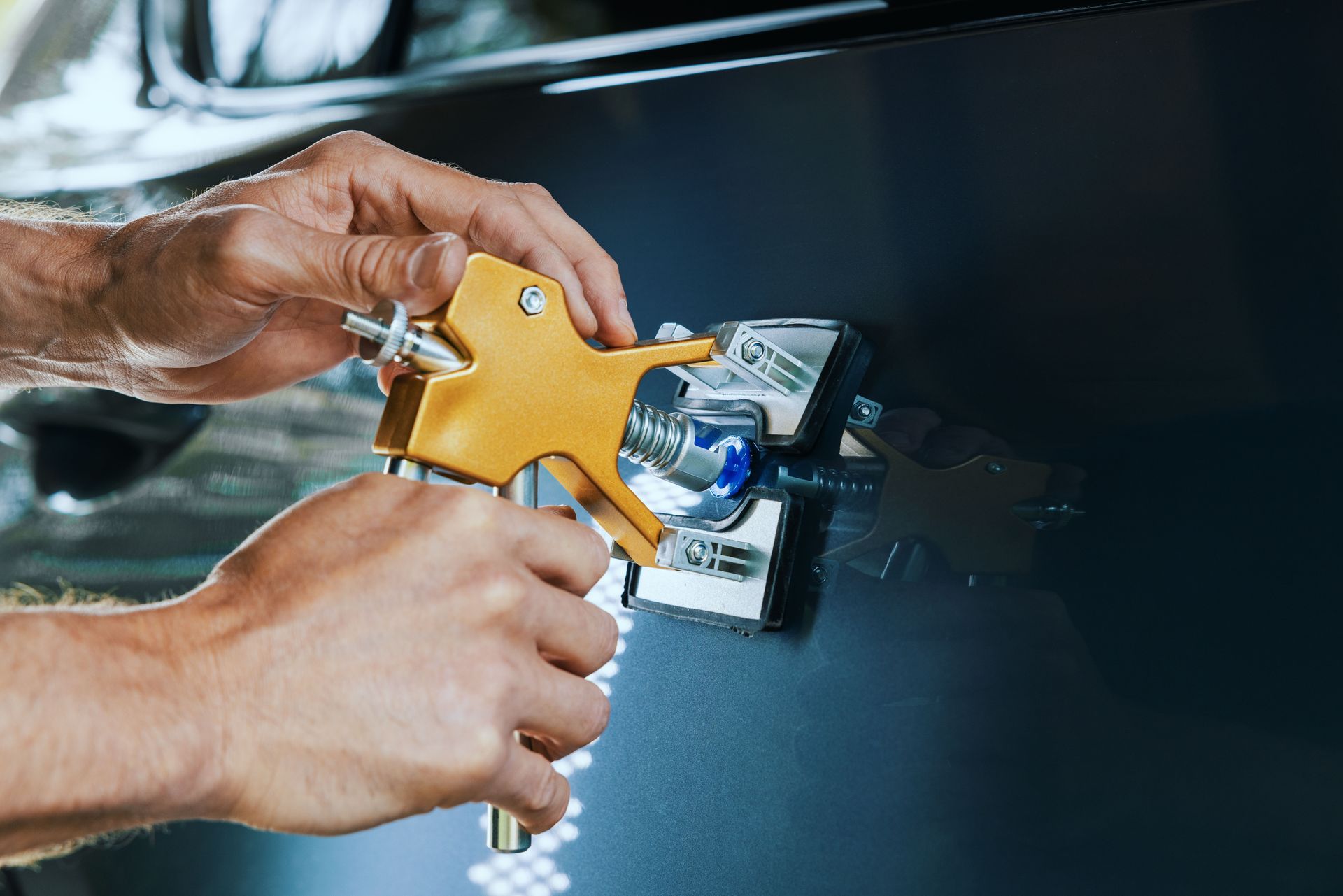
The successful execution of paintless dent removal heavily relies on a set of specialized tools. These tools include metal rods and body picks designed to access dents through various access points. In addition, technicians use light-reflection boards or LED guides to see the shadow of the dent, allowing pinpoint accuracy during the repair process. Suction cups may also be employed to gently pull dents from the surface in specific scenarios.
Step-by-Step Process of PDR
The process of paintless dent removal follows systematic steps to ensure the most effective outcome. Initially, the area around the dent is cleaned to provide a clear working space and to assess any potential challenges in repair. Then, using reflection tools, technicians identify the exact center and depth of the dent. This step is crucial as it defines the strategy to be utilized for optimal metal manipulation.
Can PDR Fix Hail Damage on Vehicles?
Evaluating the Extent of Hail Damage
The assessment of hail damage involves a methodical inspection to gauge the severity and distribution of dents. Hailstorms can result in numerous small dents, each varying in depth and size depending on the velocity and size of the hailstones. Evaluating the extent of this damage is the first step in determining if PDR is a viable option. Technicians use specialized lighting to highlight the indentations, providing a comprehensive assessment of the affected areas.
While PDR is effective for many cases of hail damage, the success of the repair largely depends on the severity and concentration of the dents. If the vehicle suffers widespread, shallow dents with no damage to the paint, PDR can typically restore the panels to their pre-damaged condition. However, in cases with severe hail damage where the paint is cracked or panels are excessively distorted, alternative methods may be required. It is the job of the technician to identify these cases and recommend the appropriate repair strategy.
The Effectiveness of PDR for Hail-damaged Cars
PDR is remarkably effective in addressing hail-damaged cars, offering an efficient way to preserve a vehicle's original finish. By addressing the specific nature of hail indentations, PDR technicians can meticulously restore the car’s panels without the need for repainting. This not only saves on time and costs but also retains the manufacturer’s original paint, which is crucial for maintaining the car’s resale value. The effectiveness of PDR has been well-documented, with numerous success stories from car owners who have turned to this technique after a hailstorm.
Additionally, using PDR eliminates the need for aftermarket fillers or paints, reduces the risk of imperfections such as mismatched colors or uneven surfaces, and maintains the car’s factory finish. This process results in a near-invisible repair, which is highly desirable for owners looking to keep their vehicles in pristine condition. Additionally, environmental benefits are an understated advantage of PDR; it minimizes the use of harmful chemicals associated with traditional repair methods. Therefore, for hail damage where paint remains intact, PDR is the preferred route.
Limitations of PDR on Severe Hail Damage
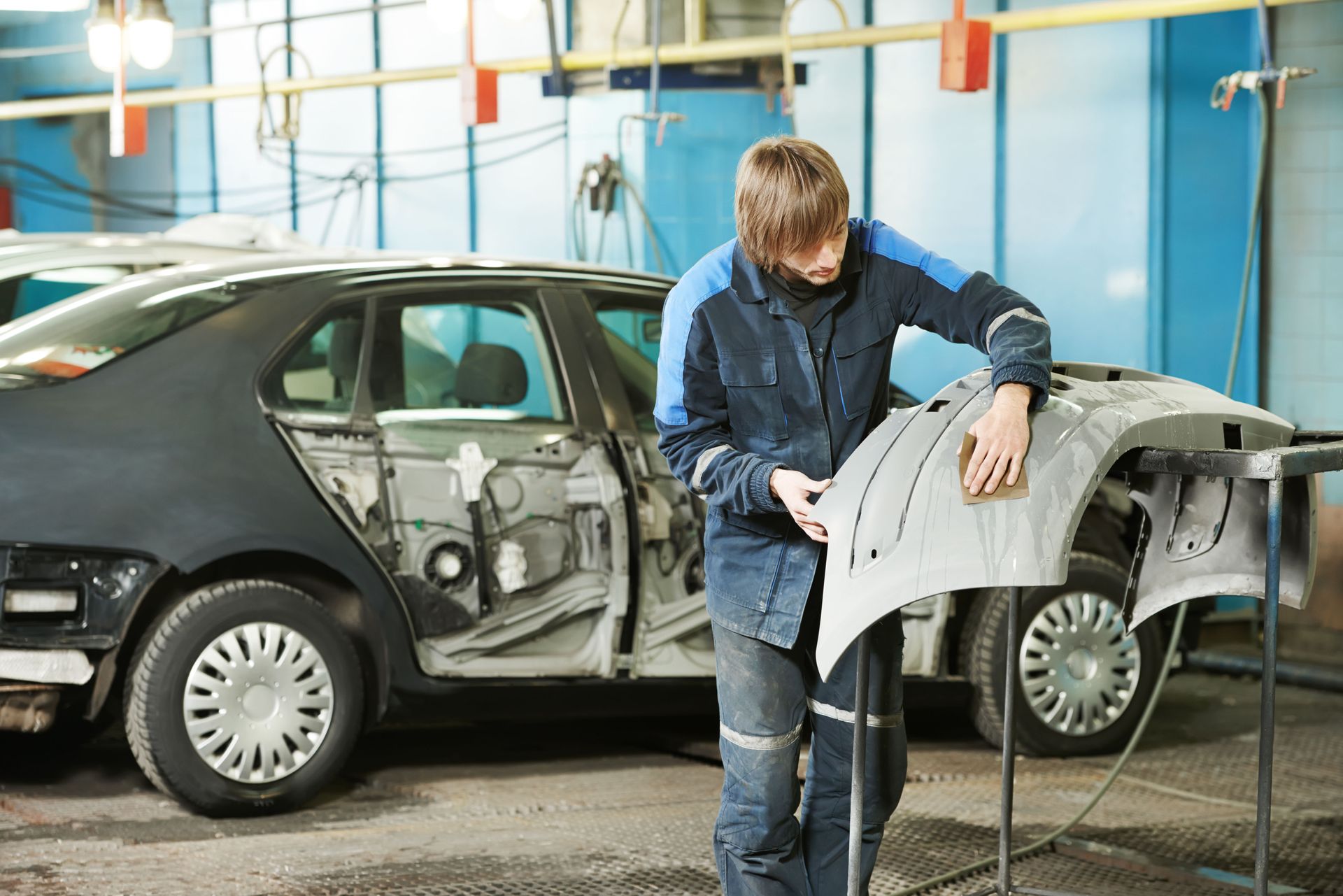
Despite its effectiveness, PDR does have limitations when dealing with severe hail damage. When hailstones cause paint chips, creases, or sharp dents that exceed the metal’s elasticity, traditional methods may need to be considered. Severe cases often require more extensive bodywork, including fillers and repainting, which PDR cannot adequately address. Understanding the limitations of PDR is vital in providing accurate customer expectations and ensuring appropriate repair strategies.
Is Paintless Dent Removal Suitable for Door Dings?
Common Causes of Door Dings
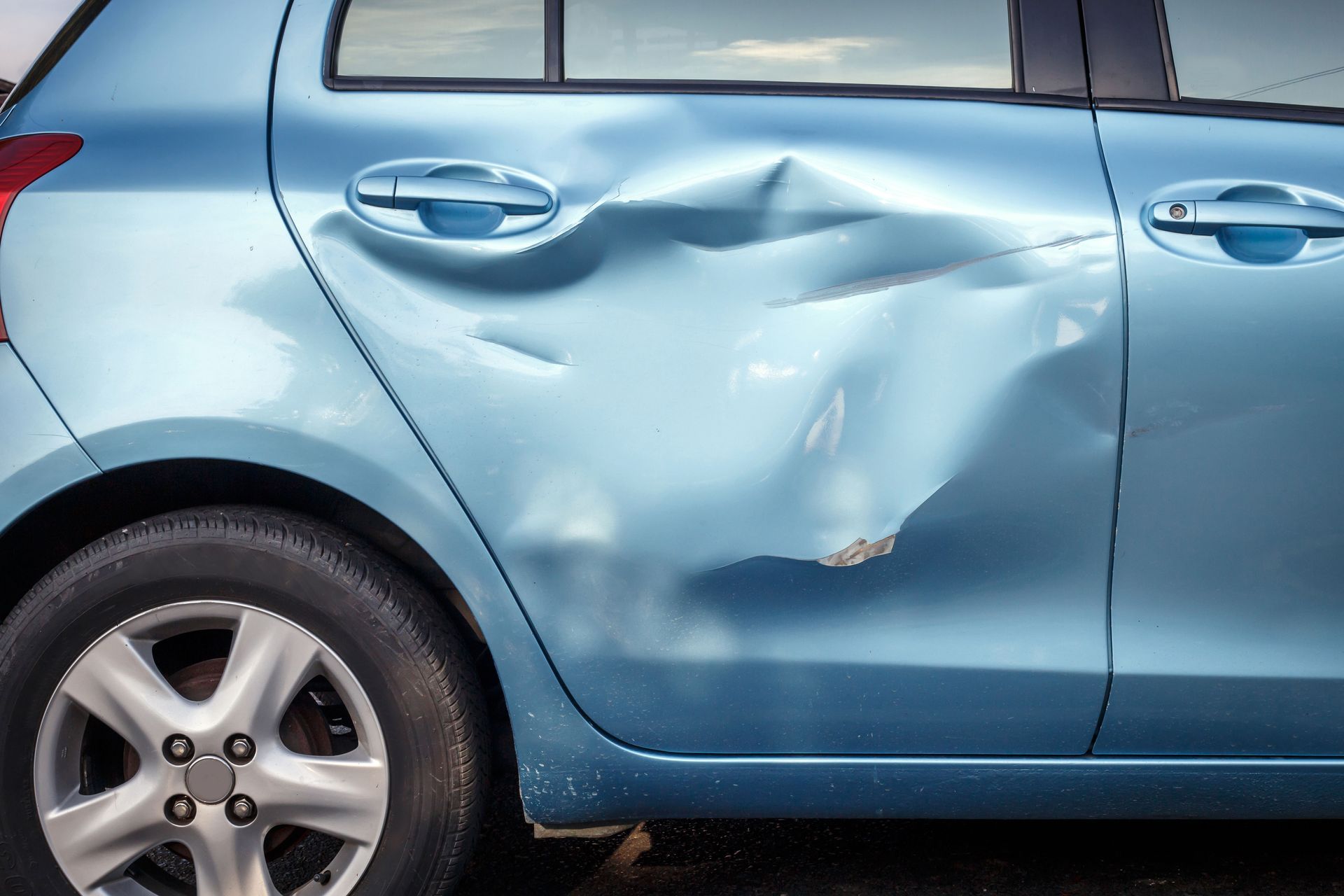
Door dings are a common issue faced by vehicle owners, often occurring in crowded parking lots or high-traffic areas. These dings typically result from incidental contact with other car doors or objects, which leave small, unsightly indentations on a car's surface. According to the National Safety Council, 66% of drivers nationwide admit they would make phone calls while driving through parking lots, highlighting the prevalence of distraction-related incidents leading to door dings. The ubiquity of door dings makes swift and effective solutions like PDR highly desirable for car owners.
Other typical causes include shopping carts, bicycles, or even careless pedestrians brushing past vehicles with objects such as bags or backpacks. The majority of these situations lead to minor impact marks that leave the paint predominantly intact, making them ideal for PDR. The attribution of such dings to everyday mishaps accentuates the need for accessible and non-invasive repair methods like PDR. With the right techniques and tools, these common automotive blemishes can be efficiently rectified, maintaining the car’s visual appeal.
The PDR Approach to Repairing Door Dings
The PDR approach to repairing door dings involves strategic manipulation of the affected metal from inside the panel. To begin, technicians assess the location and extent of the ding, ensuring paint remains intact and checking for panel accessibility. Once the examination is complete, repair tools with strategic angling are used to reach and massage the panel from behind. This fine technique allows for the gradual and precise realignment of the metal to its original, pre-ding state.
With PDR, the focus is on applying controlled pressure rather than direct force, gradually restoring the panel’s structure. Depending on the ding's location, technicians may utilize different access points, such as trim panels or door interiors, to access the damaged area. This adaptive method ensures the effectiveness of PDR in handling such localized issues. As a result, PDR provides a seamless repair that retains the vehicle’s original finish without requiring any further touch-ups.
Advantages of Using PDR Over Conventional Repairs
PDR has several advantages over conventional repairs when addressing issues such as door dings. Most prominently, it maintains a vehicle’s original paintwork, which is crucial for resale value and ensures paint-matching inconsistencies are avoided. Since PDR eliminates the need for fillers or sanding, it reduces the likelihood of surface imperfections that might arise from more traditional forms of bodywork. Its non-invasive approach ultimately helps in retaining the car’s factory aesthetics, making it a superior choice where applicable.
Paintless dent removal offers a reliable and efficient method for addressing minor automotive damage while keeping a vehicle’s original paint intact. From hail dents to everyday door dings, PDR allows technicians to restore panels with precision and minimal disruption, preserving both aesthetics and resale value. While not suitable for severe damage or paint-compromised areas, PDR remains a superior choice for many common dents, offering a cost-effective, environmentally friendly, and nearly invisible repair solution for car owners. Protect your car’s finish and value; book expert paintless dent removal with The Dent Doctor today!